In Chinese medicine, what you eat is the medicine you take three (or more) times a day. Each food has a temperature, from warming to cooling, no matter how it’s served. Ginger and cinnamon warm you up. Cucumber and watermelon cool you down, even at room temperature.
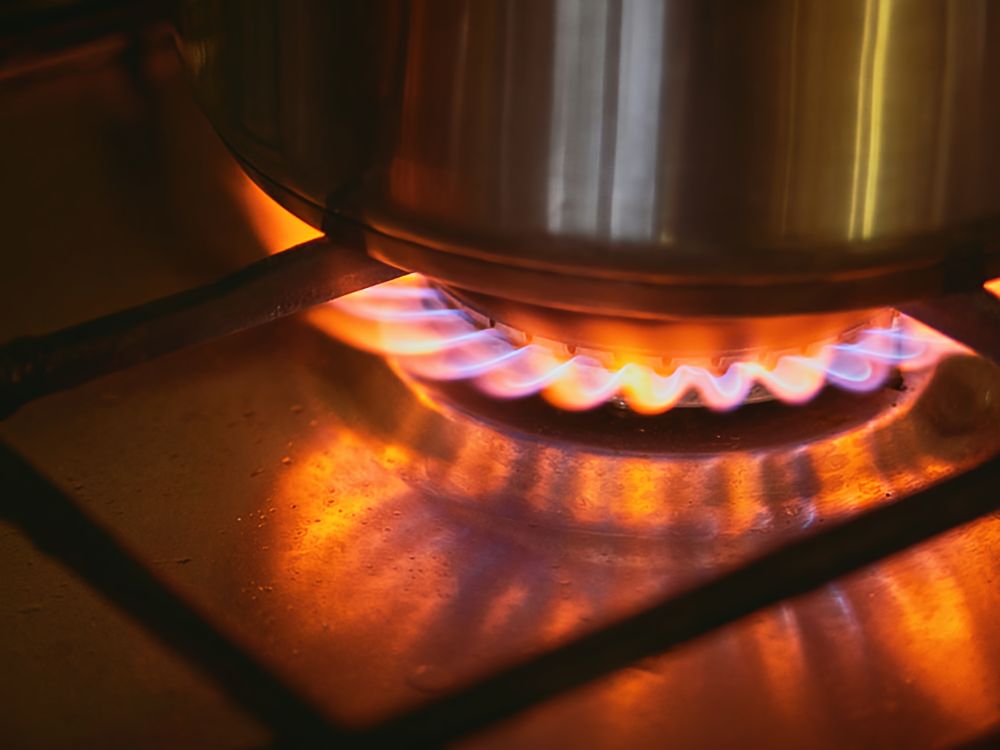
Think of a pot over a flame, that’s sort of what your digestion is like. Warm, cooked meals keep that fire steady. Lots of raw and iced foods can dampen it, and that may show up as bloating or an afternoon energy slump.
So a desk lunch of salad and iced coffee can leave you tired, even though it looks healthy on paper. As DC heads into the cold months, lean into soups, stews, roasted root vegetables, and bone broth. Every body is different, so your acupuncturist can help you find the foods that suit your own pattern.
Table of contents
What to Eat as Fall Turns to Winter
By late fall, the light goes early. It’s dark on Connecticut Avenue by 5 p.m., and the wind coming up from Rock Creek has a real bite.
Maybe you're more tired than usual. Maybe your hands and feet never quite warm up, or you catch every cold going around the office.
That's your body meeting the season. Chinese medicine has a lot to say about how to meet it well, and much of that work happens in your kitchen. A few changes to what's on your plate can help you feel warmer, steadier, and more energetic all winter.
How Chinese Medicine Thinks About Food
In Traditional Chinese Medicine, food is very similar to herbal medicine. Each food, like herbs, has a temperature, from warming to cooling, no matter how it’s prepared. In TCM, these temperatures are called Si Qi. In addition, there are five flavors of foods and herbs. The flavors are sour, bitter, sweet, pungent, and salty.
- Hot foods like chili peppers and cayenne are the strongest of the warming group.
- Warming foods include ginger, cinnamon, garlic, and lamb.
- Neutral foods sit in the middle, like rice, carrots, potatoes and most beans.
- Cooling foods include cucumber, watermelon, tofu and most raw greens.
The Five Flavors in Traditional Chinese Medicine
- Sour. Linked to the Liver. Sour foods are astringent and help the body hold on to fluids and tighten up. Examples include lemon, vinegar, and pickles.
- Bitter. Linked to the Heart. Bitter foods clear heat and help drain excess dampness. Examples include dandelion greens, kale, bitter melon, and green tea.
- Sweet. Linked to the Spleen, the system that runs digestion. Naturally sweet whole foods are nourishing. Examples include sweet potatoes, rice, carrots, squash and red dates.
- Pungent. Linked to the Lung. Pungent foods get things moving and help at the first sign of a cold. Examples include ginger, garlic, scallions and black pepper.
- Salty. Linked to the Kidney. Salty foods soften hardness and draw energy downward, so a little goes a long way. Examples include seaweed, miso, shellfish, and barley.
Chinese medicine pictures digestion as a flame. TCM calls the system in charge of this the Spleen. Think of it as your whole digestive fire, the part that turns food into energy.
Warm, cooked meals keep that flame steady. A steady stream of raw and iced foods can dampen it, and that may show up as bloating, loose stools, or an afternoon slump.
Why Late Fall and Winter Need Different Foods
Chinese medicine links each season to an organ system. Late fall belongs to the Lung, and winter belongs to the Kidney.
Fall in DC is dry. The heat comes on indoors, and the air loses its moisture. Your skin and sinuses feel it first, so late fall is about keeping things moist.
Winter is the season of storing. In TCM, the Kidney holds your deep reserves of energy. It's tied to your stamina and even your reproductive health.
Winter food should warm you and help refill those reserves. Mid-November sits on the bridge between the two seasons, so it helps to lean on both lists below.
Late Fall Foods to Ease Dryness
If your throat feels scratchy or your skin feels tight, reach for foods that moisten.
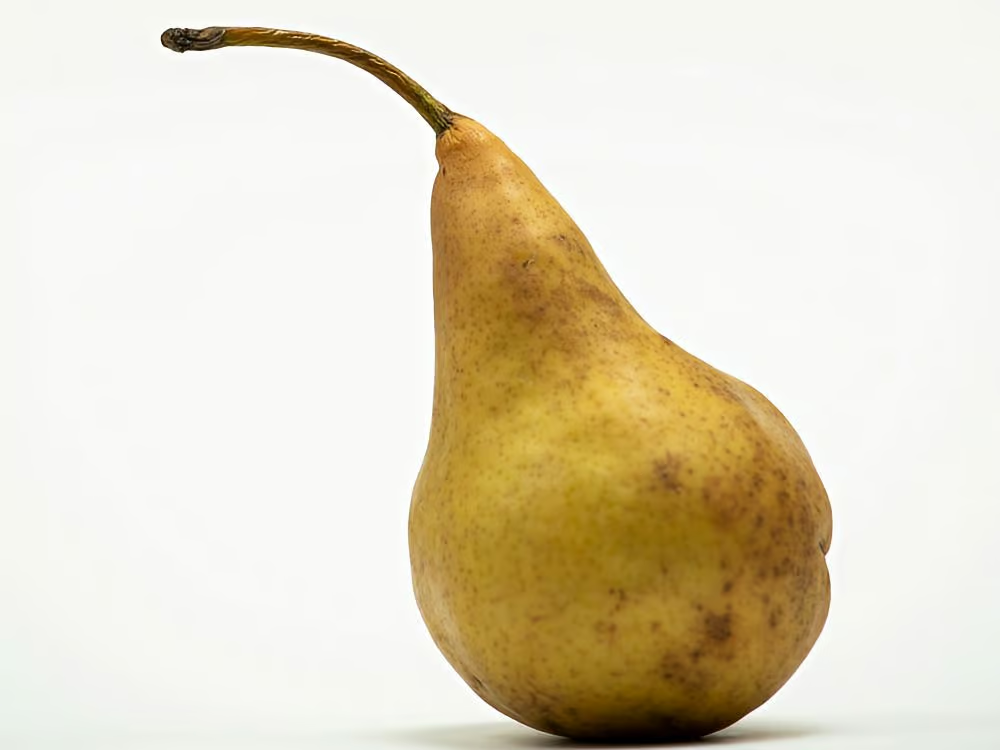
- Pears, especially cooked or poached with honey
- Honey, stirred into warm water or tea
- Almonds and white sesame seeds
- Mushrooms
- Daikon radish, cooked into soups
A poached pear with a little honey is a classic Chinese home remedy for a dry cough. It also makes a lovely dessert.
Winter Foods That Warm You From the Inside
As the weather turns truly cold, shift toward foods that warm and build.
- Warming spices and aromatics. Ginger, cinnamon, garlic, scallions and black pepper.
- Dark foods for the Kidney. Black beans, black sesame seeds, walnuts and chestnuts. In TCM, dark foods deeply nourish and support the Kidney.
- Root vegetables. Sweet potatoes, carrots, parsnips and squash, roasted or simmered.
- Slow-cooked proteins. Bone broth, lamb stew, braised chicken or lentils.
- Warm whole grains. Oatmeal, brown rice and congee (rice slow-cooked into a soft porridge).
- Goji berries (Gou Qi Zi) and red dates (Da Zao). These sweet, gentle tonics show up in Chinese soups and teas all winter to add more support for your body.
Goji berries and red dates are also common Chinese herbs in formulas. Your kitchen and your herbalist share more ingredients than you might think.
How you cook matters too. Soups, stews, roasting and slow-cooking all add warmth to a food. Even a cooling vegetable gets gentler once it's cooked.
For more ideas, see our guides: foods that nourish Qi and foods that nourish Blood.
Foods to Ease Up On When It's Cold
In winter, these are worth cutting back:
- Iced drinks and ice water
- Smoothies, especially ones made with frozen fruit
- Raw food
- Lots of tropical fruit, like mango and pineapple, opt more for fruits that are in season
- Ice cream and other frozen treats
This list trips up a lot of health-minded people. A desk lunch of salad and iced coffee looks healthy on paper. In Chinese medicine, it's a cold meal on a cold day, and it may leave you more tired by 3 p.m.
A few easy swaps help:
- Trade ice water for room-temperature or warm water.
- Add fresh ginger or cinnamon to your smoothie, or switch to oatmeal or congee.
- Pair a salad with a cup of soup, or build it on roasted vegetables.
- Keep a thermos of tea at your desk.
Put a Pot of Soup On
Soup is the easiest way to put all of this to work. Long simmering makes food warm and easy to digest.
You can also make one big pot on Sunday and eat well all week. For busy Washingtonians, that part matters most.
Warming Ginger & Garlic Soup
Ingredients
- 1 tablespoon avocado or olive oil
- 3- inch piece of fresh ginger peeled and cut into thin matchsticks
- 6 cloves garlic thinly sliced
- 4 scallions white and green parts sliced and kept separate
- 6 shiitake mushrooms stems removed, sliced
- 2 carrots sliced into thin coins
- 8 cups chicken or vegetable broth
- 2 heads baby bok choy chopped
- 2 tablespoons goji berries optional
- 1 to 2 tablespoons soy sauce or tamari
- A few drops of toasted sesame oil to finish
- Shredded cooked chicken or cubed tofu optional
- Cooked rice or rice noodles optional
Instructions
- Warm the oil in a large pot over medium heat. Add the ginger and garlic and stir for 2 minutes, until fragrant.
- Add the scallion whites and stir for 1 more minute. Don't let the garlic brown.
- Add the mushrooms and carrots. Cook for 3 minutes, stirring now and then.
- Pour in the broth and bring it to a boil. Lower the heat and simmer, covered, for 20 minutes. A longer simmer draws more warmth from the ginger.
- Add the bok choy and goji berries, plus chicken or tofu if you're using them. Simmer for 5 more minutes, until the greens are tender.
- Season with soy sauce to taste. Ladle over rice or noodles if you like, then top with scallion greens and a few drops of sesame oil.
Notes
Winter Eating FAQs
Ready to Feel Warmer This Winter?
Food is one part of the picture. We look at your whole pattern — from sleep to digestion — and build a plan that fits you. Our nutrition and wellness planning pairs food guidance with acupuncture and herbs.
To get started, head to our booking page and schedule your first appointment. If you'd like us to check your insurance benefits, we'd be happy to take care of that for you. We are in-network with CareFirst/BlueCross and Aetna.
About the Author

Hi! I’m Elyse, the go-getter who founded Cherry Blossom Healing Arts. I’m 100% a healer who loves to help people feel better! I absolutely love practicing acupuncture in Washington, DC.